SOLD — 5500 E. York Circle | A Canterbury Heights Story
What We Are Seeing — Sioux Falls Market Update
The Sioux Falls real estate market is moving — and we want you to see exactly what we are seeing. Watch our June 2026 market snapshot below.
And speaking of the market in motion — we just closed on one of the most beautiful homesites in northeast Sioux Falls. Here is that story.
Another Beautiful Homesite Has Found Its New Owners
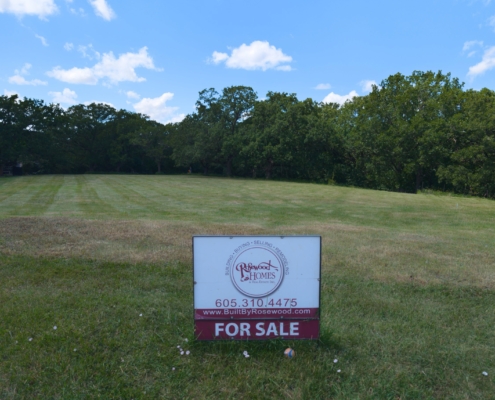
5500 E. York Circle — SOLD.
This 2.3-acre homesite in Canterbury Heights has officially found the family that will call it home. And like every transaction we’re a part of, this one reminded us that buying and selling land is never just about the property. It’s about people. Relationships. And helping families move confidently into their next chapter.
The Story Behind the Sale
Our sellers’ plans had changed. As they began exploring land in another location, they entrusted us with the sale of this beautiful homesite. We are sincerely grateful for the opportunity to represent them.
Our buyers also took the time to explore several homesites. We compared locations, discussed possibilities, and after looking at the options, we found ourselves right back here. Sometimes the right property simply feels like home.
That’s what we do at Rosewood. We explore every option. We lay out every path. And we let the right answer reveal itself — because it always does when you take the time to really look.
23 Years of Helping Shape This Community
For the past 23 years, Larry and I have had the privilege of helping shape this area of northeast Sioux Falls. We’ve brokered the sale of more than 85 acres of land, custom built a number of homes throughout this neighborhood, completed remodeling projects for wonderful families, and watched this community grow one home at a time.
That experience gives our clients confidence. But it has only been possible because so many families have placed their trust in us. For that, we are incredibly grateful.
What 23 Years in This Industry Has Taught Us
We’re going to be real with you for a second — because that’s who we are.
This industry isn’t always easy. Being a custom home builder, a remodeler, a designer, AND a licensed REALTOR® and broker all under one roof — that’s not the normal path. Most companies pick one lane. We chose all of them. And we did it for one reason: so that every family who walks through our door gets to see every option available to them. Not just the option that’s convenient for us. Every. Single. One.
That’s not always how things work in this business. We’ve been doing this long enough to know that. We’ve seen firsthand — recently, in fact — what it looks like when a transaction becomes more about the company than the client. When the focus shifts from “what’s best for this family” to “what’s best for our bottom line.” It happens. It’s real. And it’s one of the hardest parts of being in an industry we love so deeply.
But here’s what we’ve decided: we’d rather be the unicorn.
We’d rather be the company that picks up the phone and asks how we can help — even when there’s nothing in it for us. We’d rather sit down with a family and say “here are ALL your options” instead of steering them toward the one that pays us the most. We’d rather follow the rules, follow the code of ethics, and sleep well at night knowing we did right by the people who trusted us.
Is it easy? No. Is it always popular? Definitely not. But after 23 years, we wouldn’t have it any other way.
When you work with Rosewood, you’re working with real people. Larry and I put our full hearts into every client — whether you’re building a custom home from the ground up, remodeling the home you’re already in, buying your next home with a builder’s eye, or selling a property and planning your next chapter. We explore every path because your home is about YOUR life. Your needs. Your family. Your future.
That’s the Rosewood promise. And we will never, ever compromise on it.
The Market Right Now — June 2026
If you’re thinking about buying, building, selling, or remodeling — here’s where the Sioux Falls market stands heading into the second half of 2026:
- Median Sale Price: $339,900 — up 4.6% year over year
- Pending Sales: 859 — up 75.7% (buyers are MOVING)
- Inventory: 1,531 homes — down 30.5%
- Months of Supply: 3.6 — a seller’s market
- New Construction Median: $385,500 — up 5.3%
- Building Permits YTD (City of SF): 193 new single-family homes | $124M in residential construction
What does this mean? Fewer homes on the market. More buyers competing. And home values continuing to climb. Whether you’re buying, building, or remodeling — your home is one of the smartest investments you’ll ever make.
5500 E. York Circle — Canterbury Heights
This is the homesite that started it all. Tucked into Canterbury Heights in northeast Sioux Falls — 2.3 acres of mature trees, gentle terrain, and the kind of quiet that makes you stop and take it in.
Thank You
To the sellers — thank you for allowing us to help you through this transition.
To the buyers — thank you for believing in us. We can’t wait to see your vision become a reality.
And to every client who has trusted Larry and me over the years — whether you’ve built a custom home with us, remodeled your home, purchased land, bought or sold a home, or referred your family and friends — thank you.
Your confidence in us has allowed Rosewood Homes & Real Estate to continue doing what we love, and we never take that for granted.
We are here for the long haul. We remain committed to serving our community with honesty, thoughtful guidance, and personal service — one family, one project, and one relationship at a time.
From our family to yours, thank you for being part of our journey.
Ready to Explore Your Options?
Whether you’re thinking about building a custom home, remodeling the home you’re in, buying your next home, or selling your current one — we’d love to sit down and talk through your options. No pressure. No sales pitch. Just two people who love what they do, ready to help.
Larry & Rachael Weissenburger
Rosewood Homes & Real Estate
Sioux Falls Custom Home Builder + Remodeler + Designer + REALTOR®
Everything Under One Roof.
Call Rachael: 605-310-4475
Call Larry: 605-359-8503
Visit: BuiltByRosewood.com
Search Homes: builtbyrosewood.com/buying-selling-properties
Explore Lots: builtbyrosewood.com/lots-land